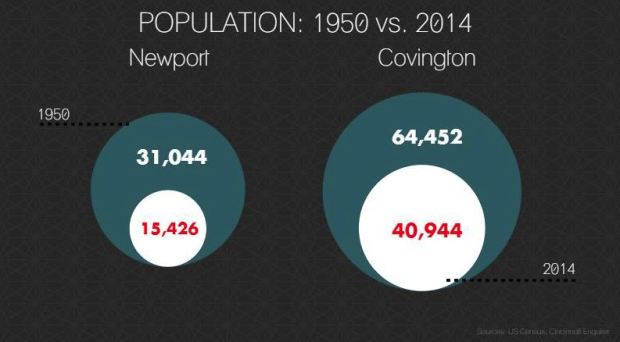
Population, which peaked in the 1950 census, for the river cities of Covington, Newport, Bellevue, and Dayton plummeted in the post-rail era. The correlation is clear. But before we discover how to go about curing Northern Kentucky’s cancer of depopulation, we have to ask, what was the cause?
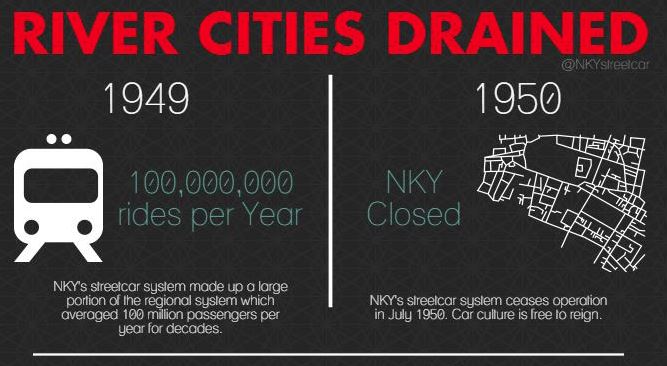
The loss of the streetcar was emblematic (or symptomatic) of the change that social mores, economic forces, corporate strategies, and public policies brought about. For years, instead of investing in the valuable assets we had, we slowly turned our backs on our cities resulting in further depopulation and disinvestment of our great American cities.
Certainly rail enabled some modest sub-urbanization of its own in the years leading up to 1950, so it’s difficult to blame all of the flight to the suburbs on the demise of rail. But by the late 1940s, a system that had been overburdened and purposely (?) under-maintained during the war years had fallen out of favor among power-brokers. We were going to get a “motorized future” whether we needed it or not.

While the Post-War Era doesn’t have monopoly on the urban decay/renewal cycle, it did introduce us to a the industrialization of everything. It launched a sea-change in transportation options, land use policy, banking, and social upheaval. As a tsunami of circumstance built, our core continued to die. Depopulation led to disinvestment which led to a litany of social ills. Drugs, crime, desolation, and dilapidation were followed by more misguided solutions.
Bus systems, which even to this day nobody likes, and expressways ushered in an era of urban apathy for commuters. The sickened city around us was just a blur. Convinced that a preference for long commutes and a suburban existence was our own, we flocked to the edges which offered none of the promised advantages.
The systems for getting us there (expressways, cars, and buses) quickly failed under their own weight. Freeway expansion throughout the 1990s showed us time and again that we can’t construct our way to a solution. What is clear is that these approaches have run their course. The model that decentralizes our cities is unsustainable.
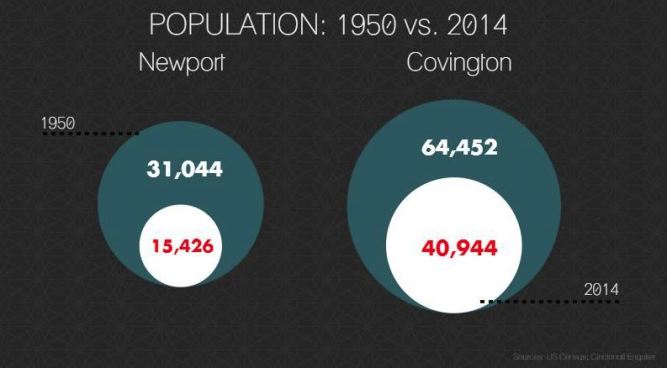
As repopulation occurs, the permanence of rail yields reliable connectivity, transportation options, and urban rediscovery that current and future generations desire. Now that the population tide has turned, it’s time for us to lay the foundation for Northern Kentucky’s share of regional rail.
 Northern Kentucky Streetcar